Pile-free solar where others cannot build.
Three IP-protected systems for renewable energy on water and land: PowerModule™, PeatModule™ and FlexibleMooringSystem™.
Contact us

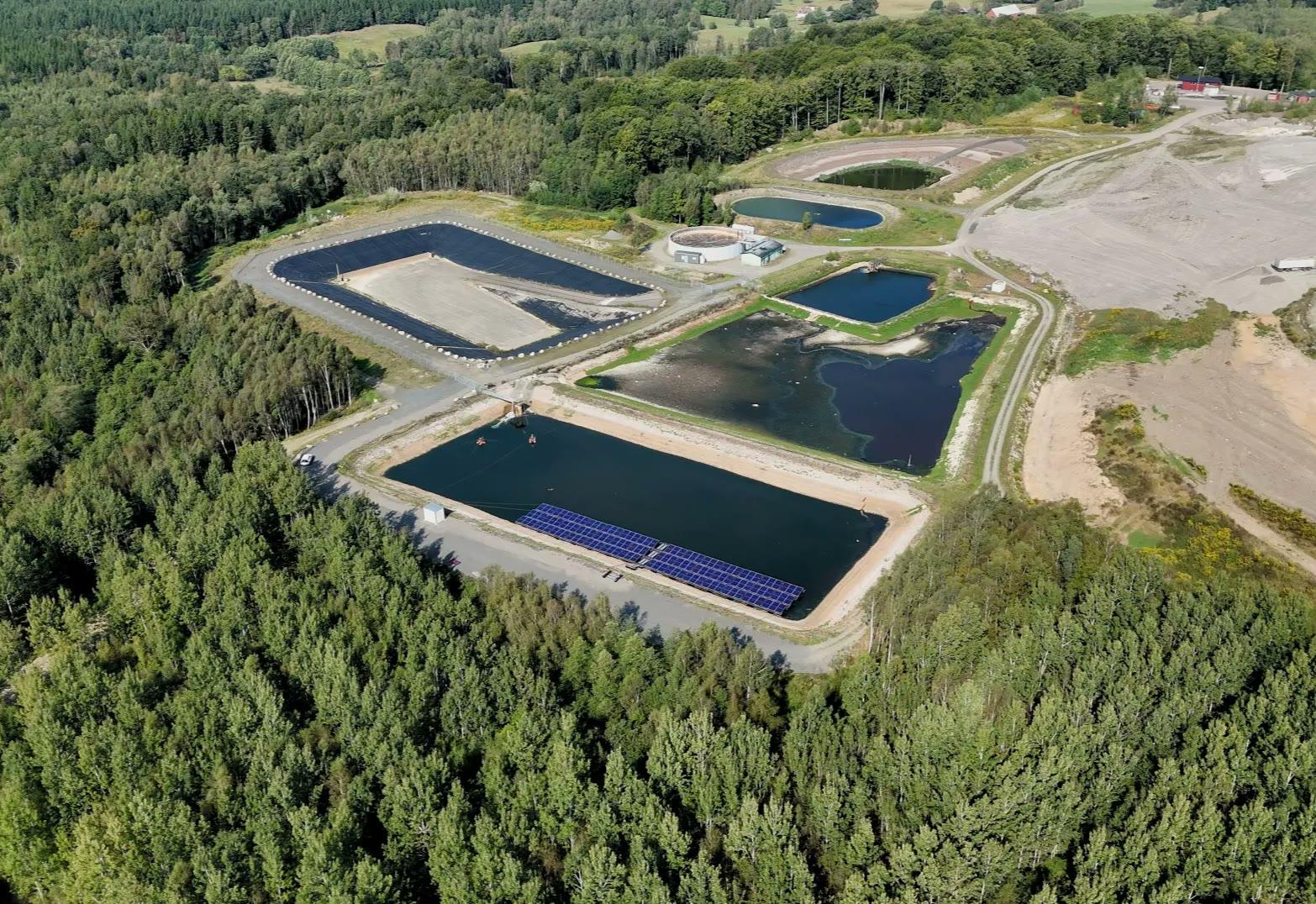
PeatModule™
On top of the ground, completely pile-free.
Pile-free solar for peatland and landfills
PeatModule™ is Sunsurf's pile-free solar system for peatland, landfills and industrial land. The system is ballasted and makes it possible to build a solar park at sites where you want to avoid costly groundwork and extensive ground preparation. The structure is designed to Eurocode.
The ballast holds the solar system in place, so neither piling nor anchoring is needed. Where the ground risks flooding, the ballast is combined with anchoring to the sides, so the system stays stable even in the most challenging conditions.
PeatModule™ also suits areas where the ground beneath the solar park must be maintained, and where sunlight needs to reach beneath and between the solar panels.
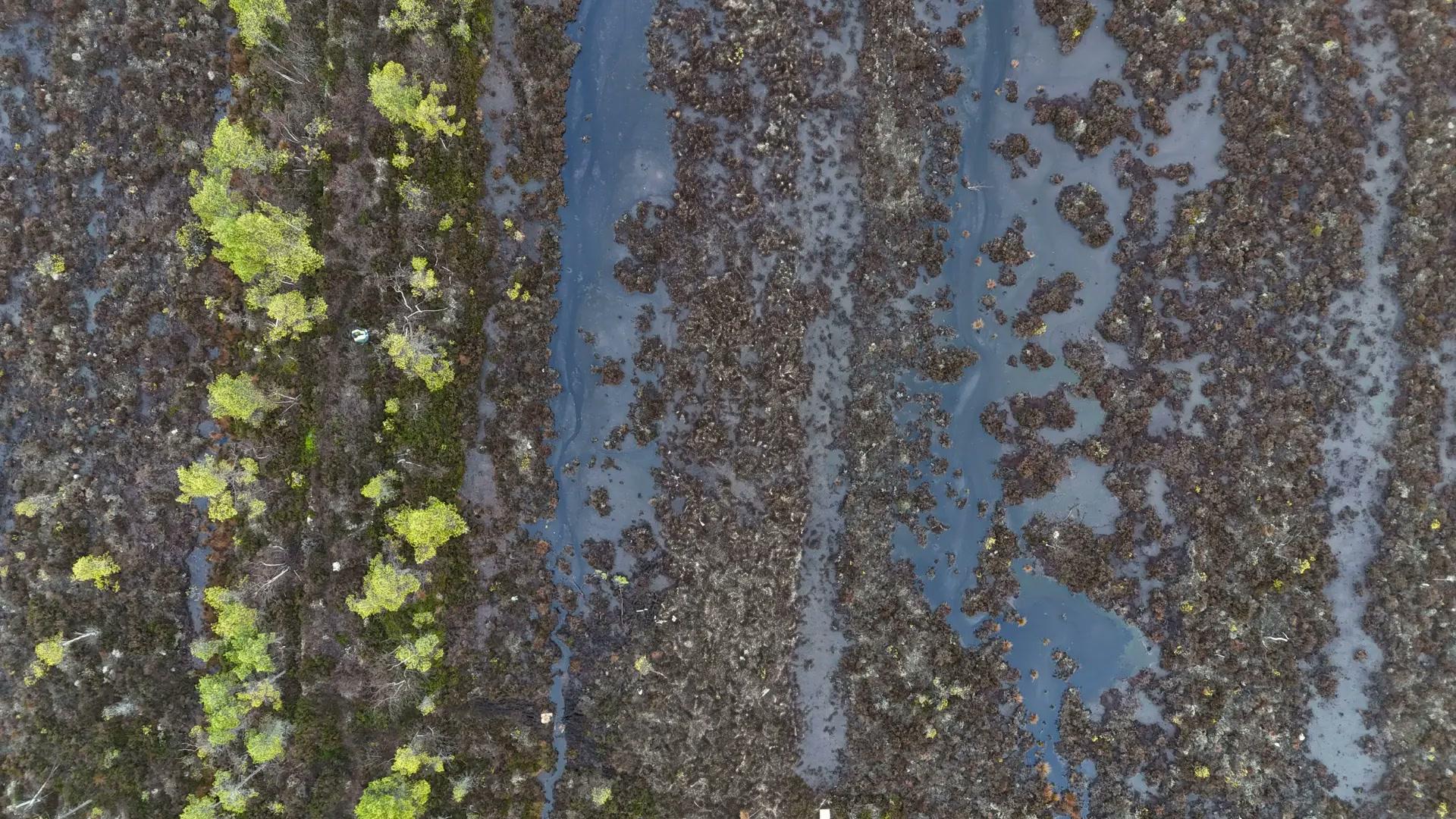
On peatland and wetlands, where the ground is hard to walk on, the system has an integrated walkway with factory-applied anti-slip ribbing. It gives safe access to solar panels, cabling and connections during installation, inspection and maintenance, without special equipment.
Features
Pile-free
Stabilised with ballast, so neither piling nor anchoring is needed.
No groundwork
No excavation or extensive ground preparation.
Light to the ground
Sunlight reaches beneath and between the panels, and the ground below can be maintained.
Robust structure
Frame in corrosion-resistant aluminium on UV-stabilised HDPE pontoons.
Modular design
Units with 3–6 solar panels connect in trains and rows and adapt to the required output and irregular areas.
Technical durability
A technical lifetime of 40 years for the frame.
Integrated walkway
A walkway with factory-applied anti-slip ribbing gives safe access to panels, cabling and connections.
Relocatable
Can be disassembled and moved if site conditions or land use change.
Up to 2 MW per hectare without piling
Depending on row spacing, PeatModule™ delivers a power density of 1.7–2 MW per hectare. This makes the system a space-efficient alternative to ground-mounted solar parks at sites where piling is not possible, such as peatland and landfills.
Each unit is a self-contained part with an aluminium frame, HDPE pontoons and integrated cable management. A unit holds 3–6 solar panels, which are connected in strings, and the inverters are mounted on dedicated platforms or placed directly on the ground.
The units are joined both in lengths and in rows, with a row spacing adapted to the conditions on site. Thanks to the modular design, the solar park can be scaled to the required output and adapted to irregular areas.
Application areas
Ground where the system makes the biggest difference
- Low load-bearing
Peatland
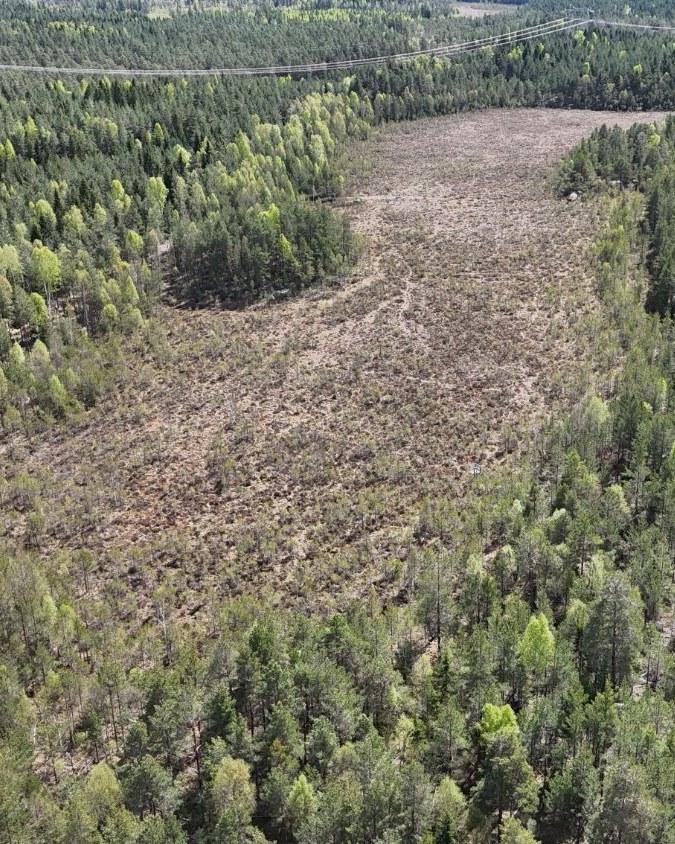
The low load-bearing capacity of peat makes piling difficult. PeatModule™ rests on top of the ground on HDPE pontoons, is stabilised with ballast and handles changes in ground level.
- Wet ground
Bogland
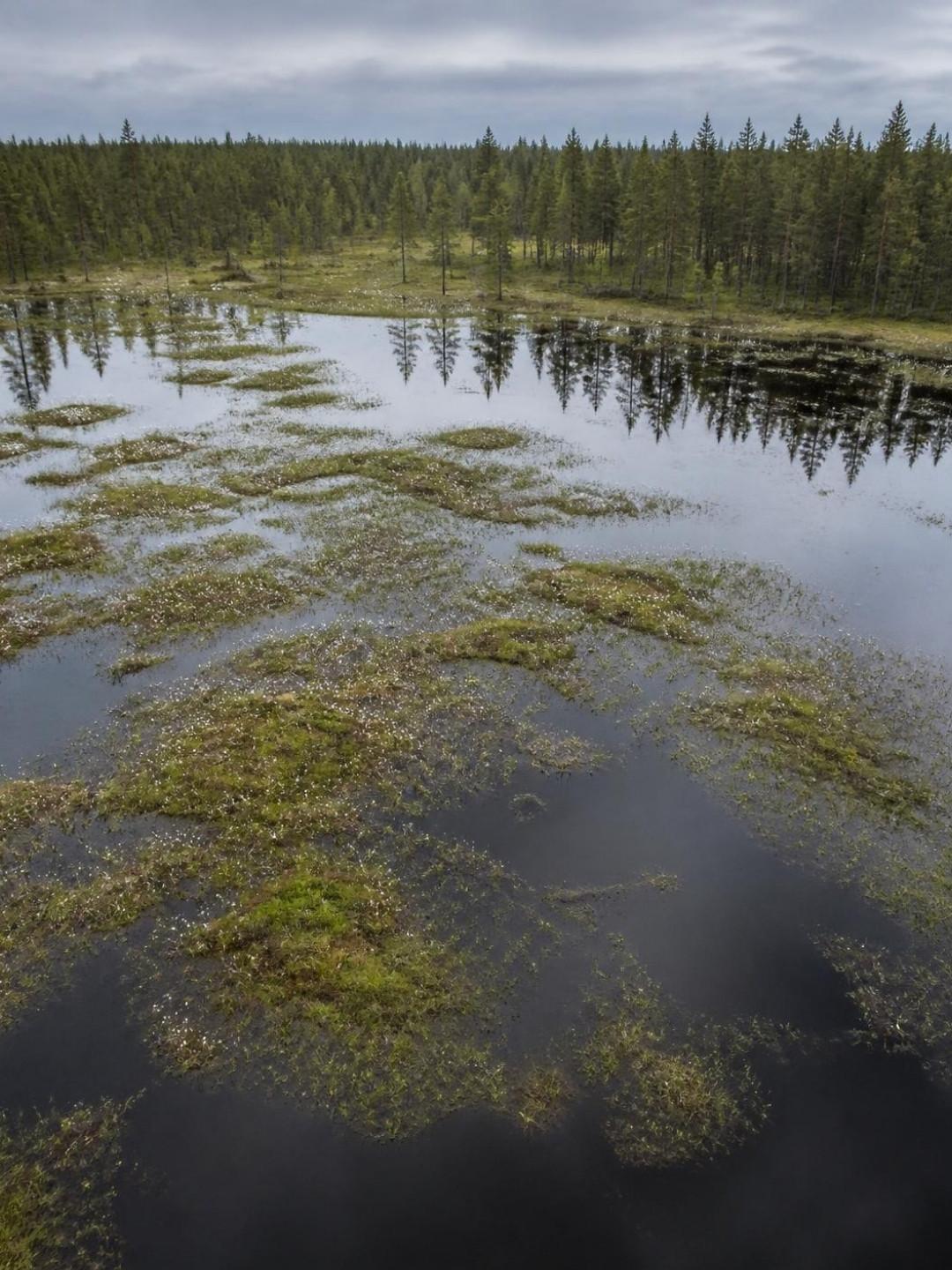
Soft ground with temporary standing water. The system follows the ground's movements, and the anti-slip walkway makes servicing possible even where the ground is hard to walk on.
- No groundwork
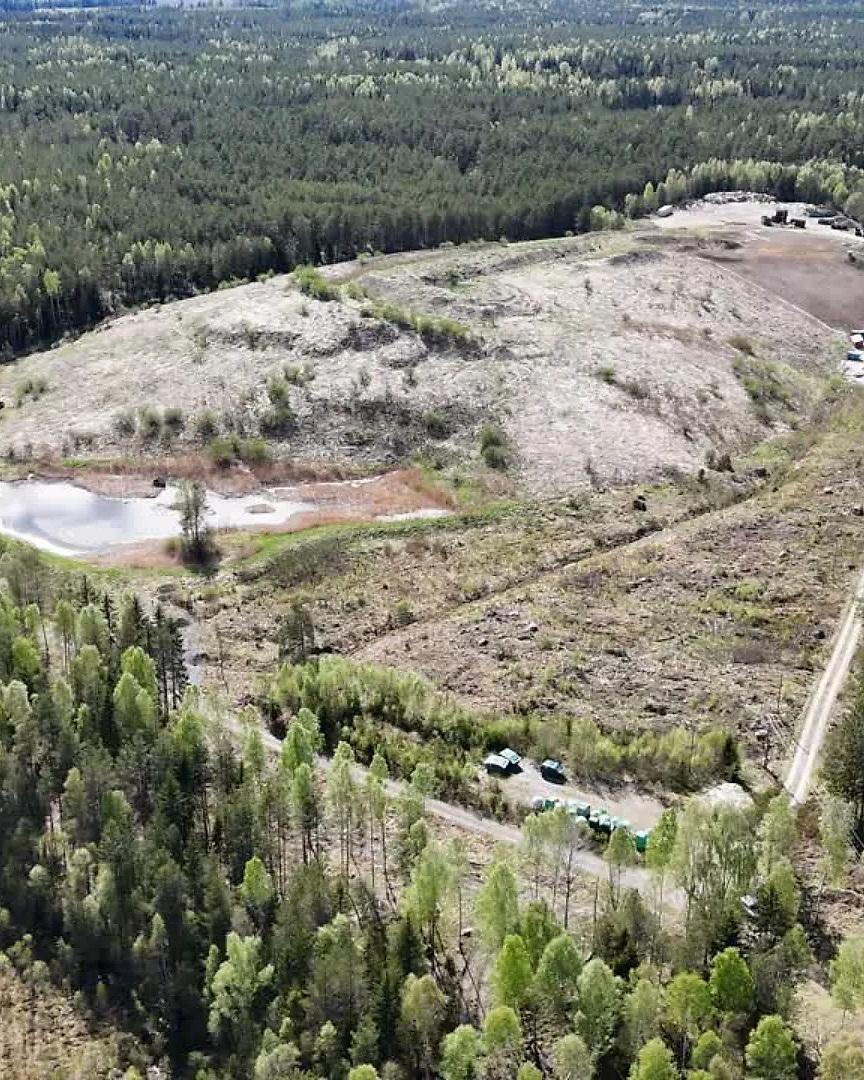
Landfill
No piling and no extensive ground preparation. The ballast keeps the system in place, and the installation can be disassembled and moved if land use changes.
- No anchoring
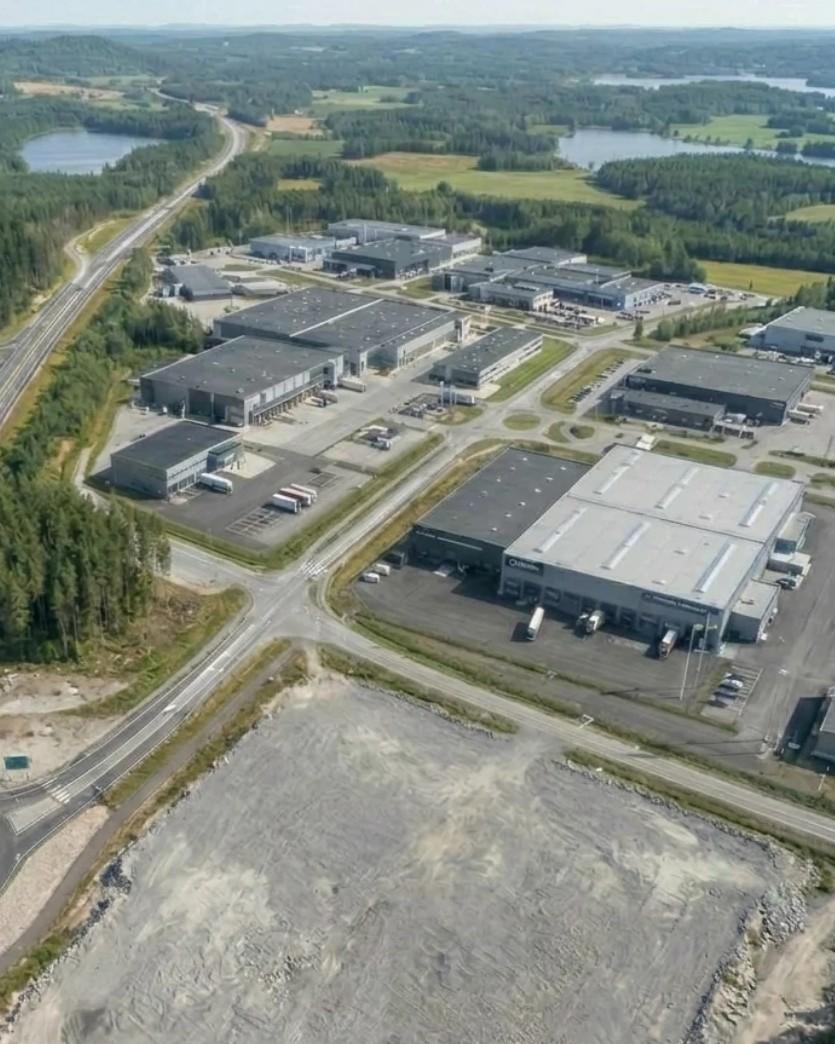
Industrial land
Where groundwork is costly or undesirable, the ballast means neither piling nor anchoring is needed. Units connect in trains and rows and adapt to irregular areas.
Suppliers
Nordic raw materials, short supply chains.
Frame in Nordic aluminium
The frame of PowerModule™ and PeatModule™ is built in aluminium, a lightweight and corrosion-resistant material that gives the solar systems a technical service life of 40 years. The structure is stable and durable even in demanding environments such as leachate ponds, landfills and peatlands.
The aluminium comes from Nordic raw materials and is processed in Sweden, in close collaboration with suppliers certified to ISO 9001 and ISO 14001.
Pontoons in recycled HDPE
The pontoons in both systems are made of high-density polyethylene (HDPE). The material is corrosion-resistant, works in both fresh and salt water, and withstands UV radiation, mechanical stress and chemicals.
The pontoons are manufactured from recycled HDPE in Finland, by suppliers certified to ISO 9001 and ISO 14001. It is a circular material choice for more sustainable production of the solar systems.
How we develop the technology
I spent nine years in offshore engineering myself, including HVDC platforms, offshore wind and wave power in Nordic conditions. We apply the same design standards to our floating and pile-free solar modules, with quality throughout, from calculation to physical delivery.
The electricity market is challenging for anyone who wants to build renewables, so a solar park has to last for decades with low operating costs. That is why our systems have few moving parts, durable materials and a strong structure, and all maintenance is done easily from the walkway.
No two sites are alike. Whether it is a leachate pond, a reservoir or peatland, we start from the conditions on site and adapt the design when the installation has unique needs.
We manage this thanks to close collaboration with our Nordic suppliers. It gives high quality and short supply chains, and we can develop the technology further together.

Martin Örgård
Founder and CTO
Nine years as a naval architect and senior simulation engineer in offshore.
Frequently asked questions about pile-free solar
Click a question to read the answer